


Exploring Social, Economic and Environmental Determinants of Health
Break the Cycle
Africa 3
Online Conference
July 15+16
join from anywhere in the world.
Register to attend
the BTC Africa Conference Online
We announce our 3rd Annual Break the Cycle Africa program to provide a platform for students from universities in Africa to showcase research they have done that will Break the Cycle of Children’s Environmental Health Disparities.
QuestionsCan be directed to our Break the Cycle Coordinator, Ximena Guillen at contact@breakthecycleprogram.org.


BTC Africa 3 Trainees

Edwin Mohau Pitso
University of Johannesburg, Department of Environmental Health
Dr Mpinane Flory Senekane
An investigation of inadequate water supply and its association with gastroenteritis among households in Magogong village of Greater Taung Local municipality in North-West, South Africa.

Yinkfu Randy Nkuh
University of Buea, Cameroon, Department of Geography
Dr. Abdel-Razak Kadry
From climate variability to child vulnerability: Food security and health risks on the Mbum Plateau, Cameroon

Elizabeth Choi
University of Cape Town, Department of Public Health
Professor Hanna-Andrea Rother
Prevalences of mental health disorders among low- and lower middle-income countries' children and adolescents exposed to extreme weather events: A systematic review and meta-analysis

Najiyah Williamson
Emory University, Rollins School of Public Health, Gangarosa Department of Environmental Health
Dr. Anke Huels
Effects of prenatal pesticide exposure on brain development in children from a South African birth cohort

Eunice Tshilengu
University of Cape Town, School of Public Health
Prof Aqiel Dalvie
Association between environmental exposure to pesticides and prevalence of asthma symptoms in rural children and adolescents living in agricultural settings in the Western Cape.

Stephen Olubusoye Ajagbe
Centre for Ecological Intelligence, University of Johannesburg, South Africa.
Michael Rudolph
Breaking the Cycle of Urban Food Insecurity: Climate-Smart Aquaponics as a Pathway to Improved Child Nutrition and Well-Being in South Africa

Paola Viglietti
University of Cape Town, Department of Public Health
Professor Mohamed Aqiel Dalvie
Neurotoxic Inequities: Associations Between Agricultural Pesticide Exposure, Socio-Demographic Co-Exposures, and Neurodevelopmental Outcomes in Rural Farming Communities of the Western Cape, South Africa

Maphela Maepa
University of South Africa, Department of Environmental Sciences.
Professor K. Semenya
Teachers’ perceptions on the impact of elevated indoor temperatures on children in early childhood development centres in Hammanskraal, South Africa
BTC Africa 3 Keynote Speakers
PROFESSOR GODSON R.E.E. ANA
(Ph.D, M.P.H, M.Eng, FEHSAN, FLEAD (UK), MRSPH (UK), MAPHA, MAAAR (USA)
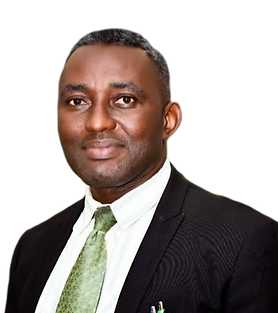
Godson Ana is a Professor of Environmental Health Sciences, foundation head Department of Environmental Health Sciences and a former Dean of the Faculty of Public Health, College of Medicine at the University of Ibadan, Ibadan, Nigeria.
He has over 25 years of cognate experience in teaching, research and community services. He has trained over 200 Masters and 20 Ph.D students respectively. He has well over 180 publications in reputable peer reviewed local and international journals and successfully registered 7 patents. He is a beneficiary of several international fellowships including LEAD, TWAS/CSIR, UNESCO/TWAS and CARTA and has been awarded several grants as PI, CO-PI and Co-Investigator on UNICEF, World bank, NIH, Mac Arthur, SIDA, TETFUND and University of Ibadan Senate funded projects. Godson has provided leadership in the development of air quality management protocols and systems in the industry and community settings and has also initiated several climate related projects as the pioneer coordinator of the climate and society programme of the Centre for Sustainable Development at the University of Ibadan.
He has provided leadership in the development of policy guidelines on the establishment and implementation of protocols on environmental health management including WASH, waste management and environmental conservation amongst in-school and out-of school children. He also led the environmental health team on the design and implementation of non-pharmaceutical approach including hand hygiene on COVID-19 prevention in Oyo State.
He is an honorary Professor in the School of Public Health at the University of Witwatersrand, South Africa, an adjunct Professor with Nelson Mandela University, South Africa, Visiting Professor with the Department of Environmental and Public Health at the University of the Gambia.
He is an examiner and an assessor to several institutions within and outside Nigeria. He is a consultant to several local and international organizations on different Environmental Health issues including the Fleming Fund Anti-Microbial Resistance project, the NCDC driven One Health project, Water Aid driven Hygiene project and the Africa CDC driven Climate change and Health Policy for Africa. Godson is a member of several professional bodies within and outside of Nigeria.
He is the founder and President of Child Health Environment and Safety Trust, a children-based NGO. He is founder of the Environmental Health Scientists Association of Nigeria. He is registered with and licensed by the Environmental Health Council of Nigeria.

Margot Brown
ScD, MSPH
Dr. Margot T. Brown is a nationally respected environmental health scientist and public health leader with more than 30 years of experience advancing environmental and climate justice. Dr. Brown serves as Senior Vice President for Justice and Equity at the Environmental Defense Fund, where she led the organization’s first environmental justice strategic plan and founded the Frontline Resource Institute to strengthen the capacity of communitybased organizations nationwide.
Her career spans the U.S. Environmental Protection Agency, the National Institutes of Health, academia, and the nonprofit sector, where she has built groundbreaking programs - from children’s environmental health protections to climate resilience initiatives - and shaped national policy on environmental health and equity. She has helped more than 250 frontline community organizations secure over $350 million in federal and philanthropic funding, ensuring communities have the resources they need to lead their own solutions. A graduate of Tulane University’s School of Public Health, Dr. Brown is deeply committed to building community power, supporting the next generation of EJ leaders, and forging partnerships that make environmental justice real.
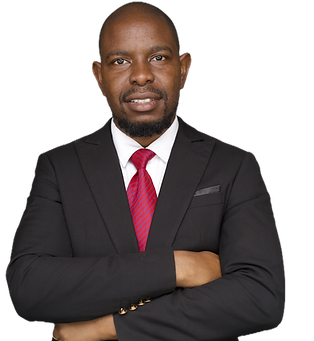
Chifuniro Kandaya
Chifuniro Kandaya is an ecosystem builder and founder of Charis Farms and Invest, dedicated to reversing children’s environmental health disparities through climate-smart agriculture and grassroots ecological education.
As a Senior Research Fellow at the University of Johannesburg’s Centre for Ecological Intelligence, his work targets the intersection of soil health, childhood nutrition, and community resilience.
His recent children's book, The Desert Bloom Club, serves as a practical health intervention tool, teaching youth to transform degraded school environments into biodiverse, food-producing sanctuaries that combat malnutrition and respiratory dust irritants.
Concurrently, his strategic work, The Israeli Model, provides a macro-roadmap for safeguarding African children from climate-driven food and water insecurity. Through these frameworks, Kandaya demonstrates how ecological stewardship directly breaks the cycle of pediatric health disparities across Sub-Saharan Africa.
BTC Africa 3 PROGRAMME
Day 1 Session 1
The Implications Chemical Exposure
11:00-11:10
Leslie Rubin
Opening and Welcome
11:10-11:30
Leslie Rubin
BTC Background
11:30-11:55
Najiyah Williamson
Prenatal exposure to environmental chemicals
11:55-12:20
Paola Viglietti
Neurotoxic Inequities: Associations Between Agricultural Pesticide Exposure, Socio-Demographic Co-Exposures, and Neurodevelopmental Outcomes in Rural Farming Communities of the Western Cape, South Africa
12:20-12:35
Body Break
15 MINUTES
12:35-13:00
Eunice Tshilengu
Association between environmental exposure to pesticides and prevalence of asthma symptoms in rural children and adolescents living in agricultural settings in the Western Cape.
13:00-13:30
Godson Ana
Children at the Centre of Planetary Crisis: Any Game Changer?
13:30-14:00
Lunch break
30 MINUTES
Day 1 Session 2
Environmental Determinants of Maternal and Child Health
14:00 -14:25
Dr. Stephen Ajagbe
Linking Food Security, Dietary Diversity and Mental Well-Being amongst Youth through Climate-Smart Aquaponics in Urban settings in South African
14:25-14:55
UNICEF representative
The importance of research in informing and strengthening programmes that address children’s environmental health disparities.
14:55-15:10
15 MINUTES
Body Break
15:10-15:35
TBD
TBD
15:35-16:05
Kandaya Chifuniro
Feeding the Future: Storytelling at the Intersection of Food Security and Eco-Nutritional Health for Children
16:05-16:15
Leslie Rubin
Summary of the day and closure
Day 2 Session 1
Protecting Children in a Changing Climate
11:00-11:10
Leslie Rubin
Opening and Welcome
11:10-11:30
Samantha Lange
Recap of Day 1 and Group Photo
11:30-11:55
Yinkfu Randy Nkuh
Food security and Climate Change
11:55-12:25
Michael Rudolph and Jama Mashele
More than vegetables: the multipurpose role of school food gardens in child nutrition and learning
12:25-12:50
Maphela Maepa
Teachers perceptions on Heat in ECDs
12:50-13:05
Body break
15 MINUTES
13:05-13:55
Dr. Abiola-Awe
Breaking the Cycle Through National Adaptation Planning: Advancing Climate Resilience, Environmental Justice, and Children’s Health
13:55-14:20
Elizabeth Choi
Climate change
14:20-14:50
Lunch break
30 MINUTES
Day 2 Session 2
14:50-15:15
Edwin Mohau Pitso
Shortage of water (Proposal)
15:15-15:45
Margot Brown
Cumulative Impacts on Children’s Environmental Health in Africa
15:45-16:00
Leslie Rubin
Summary of the day and closure

Public Health: International Aspects on Environment and Health
This volume presents the set of Break the Cycle projects that look at the international stage. Environmental conditions and health disparities are universal and represent a challenge for our global village. We hope to see many more students assist with this program in different international settings. The students are, after all, our future; our work is a preparation for them to make the world a better place for generations to come.
Poverty, disadvantage, disease and disability are all global challenges. This global picture has been captured in the Millennium Development Goals 2015, which came out of the Millennium Summit in September 2000, the largest gathering of world leaders in history. We now have the UN Sustainable Development Goals to guide our efforts for the next couple of decades.