


Exploring Social, Economic and Environmental Determinants of Health


Day 1 Speakers
I. Leslie Rubin, MD
Introduction to Break the Cycle
In 2004, he founded the on-profit Break the Cycle of Health Disparities, Inc. and started the annual Break the Cycle of Children’s Environmental Health Disparities program in partnership with the Southeast PEHSU to raise awareness among university students of children’s environmental health disparities and to cultivate future leaders to
address these challenges. To date there have been 20 annual programs with over 200 students from over 50 different academic departments in over 20 states in the USA as well as from 6 countries in Latin American and 2 Countries in Africa, as well as a Break the Cycle Africa program now in its 3rd year. In total there have been more than 200 papers published in international journals as well as 20 books in a Public Health Series with Nova Publishers. The program received The Children’s Environmental Health Excellence Award from the US EPA in 2016.
He serves on national and international committees, relating to children with
developmental disabilities, children’s environmental health, and health disparities in the
context of social, economic, environmental and political determinants of health, with a
goal to reduce children’s health disparities and promote health equity for all children.
Dr. Rubin’s personal mission is to work in collaboration with others to improve the health
and well-being of children and adults with developmental disabilities and on reducing
children’s health disparities and promoting health equity for all children, locally,
nationally, and globally in the context of environmental and social justice and in the face
climate change.

Catherine Karr MD PHD
Professor, Department of Pediatrics and Environmental and Occupational Health
Sciences
Director. NW Pediatric Environmental Health Specialty Unit
University of Washington
The Environmental Influences on Child Health Outcomes Research Program
(ECHO): a national treasure
Catherine Karr MD PHD MS is a pediatrician, environmental epidemiologist and
research to practice leader in children’s environmental health. She is one of the PIs in
the ECHO Cohort Program, leading a pregnancy cohort in the Yakima Valley of central
Washington State. As a Professor of Pediatrics and Environmental & Occupational
Health Sciences at the University of Washington (UW), she conducts research studies
on the effect of environmental contaminants on child health, with a longstanding focus
on air pollutants including wildfire smoke. She also directs a regional service providing
outreach and consultation on pediatric environmental health to clinicians, public health
professionals and communities (Pacific Northwest Pediatric Environmental Health
Specialty Unit, NW PEHSU).

Abby D. Mutic, PhD, MSN, CNM
Welcome
Dr. Abby Mutic is an Assistant Tenure Track Professor at the Nell Hodgson Woodruff
School of Nursing at Emory University in Atlanta, GA. She directs the Region 4 Pediatric
Environmental Health Specialty Unit and is a practicing Certified Nurse Midwife. Her
research focuses on pediatric environmental exposures that contribute to health
outcomes and school absenteeism. It emphasizes listening to stakeholders, translating
research in culturally appropriate ways, and testing the implementation of sustainable
strategies for change.

Regina Idoate, PhD MPH
Weaving the Web of kinship support in pregnancy: the story of Wellness Advocacy Zones
and Opportunities for Kinship Involvement (WAZOKI)
Regina Idoate, PhD MPH is a mother, a citizen of the Cherokee Nation, an educator, and a
community-engaged Indigenous health researcher who serves as Director of Spirituality, Culture
and Health in the College of Public` Health at the University of Nebraska Medical Center. Her
research focuses on community systems in relation to culture and ecology. She has a particular
interest in weaving Modern Science and Indigenous knowledge with Local culture. Her research
has been funded by the National Institutes of Health National Cancer Institute, National Heart,
Lung and Blood Institute and National Institute on Aging. Dr. Idoate works with a teachable spirit
in collaboration with communities across the globe to support people, processes and programs
that promote Indigenous health in ways that respect and uplift Indigenous land, culture and
People. Regina collaborates across disciplines and cultures and appreciates time and space to
play, pray, wonder and wander in kinship with all our relations. She is grateful to work with Dr.
Leslie Rubin and to have served multiple years as a mentor in the Break The Cycle program.

Day 1 Program
8:30 AM
Welcome

Abby Mutic, PhD, MSN, CNM
Emory University
-
8:40 AM
Introduction to Break the Cycle
Leslie Rubin, MD
Morehouse School of Medicine
-
9:00 AM
From Clinic to Community: Addressing Social Drivers of Health to Improve Childhood Asthma Disparities

Bishesh Subba and Rachel Kuzmishin
Williams College; Cornell University
Mentor: Dr. Vaidehi Jokhakar
9:20 AM
The Correlation Between Mycoplasma Pneumoniae Infection and Severity and Children’s Neighborhoods, Socioeconomic Factors, and Healthcare Access
Sophie Ginsberg
University of Chicago
Mentor: Dr. Lilly Cheng-Immergluck
9:40 AM
HEALTH BREAK

(20 Minutes)
()
Take a break
10:00 AM
Bridging Care: Oral Health Services for Medicaid-Covered Children in Nebraska
Brooke Lawson Sautter
University of Nebraska Medical Center
Mentor: Dr. Aislinn Rookwood
10:20 AM
Heat Related Illness in Athletes- Athletic Trainer/Coaches assessment
Brynn Beetow
University of Illinois at Chicago
Mentor: Dr. Susan Buchanan
10:40 AM
Supporting Children with Chronic Kidney Disease During Climate Emergencies
Amelia Rowniewski
American University
Mentor: Dr. Gabriella Meltzer
11:00 AM
HEALTH BREAK (20 minutes)
(20 Minutes)
()
Take a break
11:20 AM
Climate Change and Vector-Borne Diseases in Low-Income Children
Eve Bryner
American University
Mentor: Dr. Gabriella Meltzer
11:40 AM
Immigrant Children, Health and Climate Change Within U.S Detention Facilities: An Extensive Review
Libby Claire Triebwasser
American University
Mentor: Dr. Gabriella Meltzer
12:00 PM
Keynote: The Environmental Influences on Child Health Outcomes (ECHO) Research Program: a National Treasure +1

Catherine Carr, MD, PHD, MS
ECHO Research Program
Keynote
12:30 PM
LUNCH BREAK

(70 minutes)
<>
Let's Eat
1:40 PM
Parental Perceptions and Practices on Children’s Exposure to Plastic-Related Chemicals: The Role of Social Media Influence
Aditi Sharada
Rutgers School of Public Health
Mentor: Dr. Zorimar Rivera-Núñez
2:00 PM
Bullying Awareness Among Neurodivergent Roma Children and Their Peers in Türkiye: A Pilot Study
Hatice Ulu Aydın
Bolu Abant Izzet Baysal University, Turkey
Mentor: Dr. İlknur Çifci Tekinarslan and Dr. Yeşim Güleç Aslan
2:20 PM
Indigenous Language Education as Cultural Revitalization: Effects of Basque Ikastolak on Identity and Health
Xabier Bingen Irujo Urdiroz
University of Nebraska Medical Center
Mentor: Dr. Regina Idoate
2:40 AM
HEALTH BREAK
(20 minutes)
()
Take a Break
3:10 PM
Early Resource Scarcity in Female Rats Impact on Prefrontal Cortex
Emalee Andrews
Georgia State University
Mentor: Dr. Debra Bangasser
3:30 PM
Vigilance in Adolescent Populations: How Chronic Anticipation of Discrimination Shapes Mental Health and Coping Behaviors
Skyler Recel-Chang
Brown University
Mentor: Dr. Anastacia Kudinova
3:50 PM
An Intergenerational Life Course Approach on Maternal Health Outcomes among Indigenous Mothers
Arantzazu Irujo Urdiroz
University of Nebraska Medical Center
Mentor: Dr. Regina Idoate
4:10 PM
Keynote Speaker: Weaving the Web of Kinship Support in Pregnancy: Wellness Advocacy Zones and Opportunities for Kinship Involvement (WAZOKI) +1
Regina Idoate, PhD, MA
University of Nebraska Medical Center
Keynote
4:40 PM
Wrap Up and Adjourn
Leslie Rubin, MD
Morehouse School of Medicine
Thank You
5:00 PM
POSTER SESSION

Nell Hodgson Woodruff School of Nursing
Emory University
Posters on Children's Environmental Health

APRIL 28, DAY 2
BREAK THE CYCLE
SYMPOSIUM

NEIGHBORHOODS
Children’s health is shaped not only by individual behavior or genetics, but by where they
live, learn and play.
Neighborhood conditions can either protect children’s health
or place them at higher risk, creating disparities that persist into adulthood and perpetuate an intergenerational cycle of health disparities.
Neighborhood Health Disparities
Neighborhood health disparities refer to differences in health outcomes between
children who grow up in different geographic areas, often shaped by:
• Family income levels
• Housing quality
• Environmental conditions
• Access to services
• Historical segregation and disinvestment

Who Is Most Affected?
Due to historical segregation and systemic inequality, disparities disproportionately affect:
• Low-income families
• Racial and ethnic minority children
• Immigrant communities
Rates of child outcomes by neighborhood support

Natalie Mac Arthur. Supporting Families: Associations between Neighborhood Support and Child Health Outcomes. August 24, 2023
How do we Break the Cycle of Children’s Health Disparities in Poor Neighborhoods?
Evidence shows that place-based investments can significantly improve child health.
-
Investing in safe, affordable housing
-
Building and maintaining neighborhood parks
Studies show that even small increases in neighborhood greenery can produce measurable health benefits. -
Reducing pollution in residential areas
Tree-planting programs
Safe walking routes to parks -
Improving school quality and child education
Greening schoolyards
Symposium Program
8:00 AM
Welcome
Leslie Rubin, MD
8:10 AM
What Makes a Neighborhood? Understanding and Visualizing Urban
Disadvantage
Deirdre Oakley, PhD and Rafia Mallick, MA
8:40 AM
Neighborhood Disadvantage and Children’s Health: Recognizing Structural Inequality and Community Strengths
Amy Spring, PhD and Jennifer Simon, MA, MBA
9:10 AM
HEALTH BREAK
20 Minutes
9:40 AM
From Academia to Action: Engaging Youth from Washington Heights in Environmental Health Research.
Celia Cacho and Eréndira Di Giuseppe
10:00 AM
Understanding Students’ Perspectives on Environmental Health in an EJ community
Crystal Stephens
10:20 AM
Growing Up Wyandanch: A Photovoice project on Environmental Issues on Suburban Long Island
Oluwapelumi Soyemi, MPH
10:40 AM
HEALTH BREAK
30 Minutes
11:10 AM
Charge to Workshop Groups
Deirdre Oakley and Amy Spring
12:30 PM
Workgroup Reports
Report back and discussion
12:50 PM
Conclusion and Ideas for Future
Leslie Rubin, MD
1:00 PM
ADJOURN
Thank you
Partnership with Georgia State University Center for Neighborhoods & Communities cnc.gsu.edu

Symposium Presentations & Speakers
What Makes a Neighborhood?
Understanding and Visualizing Urban Disadvantage
Deirdre Oakley, PhD

Deirdre Oakley PhD is a sociology professor whose research focuses on urban inequality, including race, housing, immigration and the built environment. She is Co-Director of the Center for Neighborhoods & Communities at Georgia State University and has testified before Congress on affordable housing preservation. Her current project examines food and transit insecurity. She has served as Editor in Chief of City & Community and holds a Ph.D. in Urban Sociology from the University at Albany, SUNY.
Rafia Mallick, MA

Rafia J. Mallick is a Ph.D. candidate in Sociology at Georgia State University. Her research focuses on urban inequality, immigrant assimilation, and racialized experiences in the United
States, particularly within the South Asian diaspora. She uses mixed and spatial methods to study neighborhoods and community dynamics and has worked on community-engaged research projects in Pakistan, New York, Oklahoma, and Georgia.
This presentation examines how neighborhoods are defined—not just as physical spaces, but as social, economic, and spatial units that shape everyday life. Drawing on common definitions of “neighborhood” as a geographically bounded area characterized by shared social ties, built environments, and collective identities, as well as broader understandings of neighborhoods as socially constructed spaces shaped by policy, markets, and history, this presentation highlights how these definitions influence how we understand and perceive neighborhood inequality. Using Geographic Information Systems (GIS), we show how spatial data can illuminate the ways neighborhood boundaries, conditions, and resources vary across urban landscapes. How neighborhoods are defined as well as their socioeconomic and population characteristics can shape either opportunities for economic mobility or barriers leading to persistent disadvantage.
Neighborhood Disadvantage and Children’s Health: Recognizing Structural Inequality and Community Strengths
Amy Spring, PhD
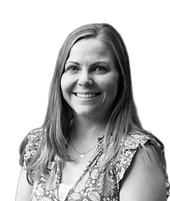
Amy Spring, PhD, is Associate Professor of Sociology at Georgia State University and Co-Director of the Center for Neighborhoods & Communities. A demographer and urban sociologist, her research focuses on families, communities, neighborhoods, and the environment.
Her work has been supported by the National Science Foundation and the National Institutes of Health. She currently co-leads the Georgia Community Impact Project, a partnership between the Center for Neighborhoods & Communities and the Georgia Community Action Association.
Jennifer Simon, MA, MBA

Jennifer Simon MA, MBA, is a Doctoral Candidate in Sociology at Georgia State Universitywith specializations in urban sociology and race. Founding member of the Center for Neighborhoods & Communities partnership with the Georgia Community Action Association, Jennifer also coordinates the Center’s Graduate Student Working Group. Outside of her work at Georgia State University, Jennifer provides leadership and organizational consulting services to non-profit organizations.
This presentation explores the key pathways through which neighborhood
environments shape children’s health and wellbeing. It highlights how structural
inequalities—such as historical segregation, disinvestment, and unequal access to
resources—influence exposure to environmental stressors, limit opportunities for healthy
development, and contribute to persistent health disparities. At the same time, the talk
emphasizes the strengths and assets found within communities, including social networks,
cultural resources, and local advocacy. Together, these perspectives illuminate how place matters for children’s health, and the importance of addressing structural barriers while supporting the strengths found within communities.
From Academia to Action: Engaging Youth from Washington Heights in Environmental Health Research.
Celia Cacho, BS

Celia Cacho is a current medical student at Columbia University, born and raised in the South Bronx, New York City. Growing up in a neighborhood shaped by both resilience and environmental challenges, she developed a strong interest in the intersection of community health and urban change. Her work focuses on bridging research and community engagement to better understand health outcomes and inform public health interventions, particularly among children and underserved populations.
Eréndira Di Giuseppe, MA, BA

Ere is a PhD student in Environmental Health Sciences at the Mailman School of Public Health. Her research largely focuses on early-life environmental exposures and children’s holistic development. Before starting her PhD, she contributed to a series of interdisciplinary community-engaged projects based in California and Brazil. She is devoted to capacity-building, education, advocacy, and engaging in equitable cross-disciplinary partnerships.
Looking forward, she hopes to study nature-based integrations into our lived environment as ways to
improve health, promote climate resiliency, and achieve tangible environmental justice efforts.
Understanding Students’ Perspectives on Environmental Health in an EJ community
Crystal Stephens, Ph.D., CRNP, TTS
Assistant Professor: Pulmonary, Allergy, & Critical Care Medicine, The University of Alabama at Birmingham

Dr. Stephens is an Assistant Professor in the Division of Pulmonary, Allergy, and Critical Care at The University of Alabama at Birmingham (UAB). She earned her Ph.D. in Environmental Health Sciences from the UAB School of Public Health, where her research examined how air pollution affects lung health in environmental justice communities and explored environmental health literacy and educational disparities among high school students.
Her clinical focus centers on severe asthma and environmental lung diseases associated with exposure to heavy metals, chemicals, coal dust, and air pollution, emphasizing the health impacts of these environmental factors. As a tobacco treatment specialist, she develops and incorporates individualized plans to partner with patients seeking smoking cessation counseling.
Her ongoing research focuses on how housing and neighborhood improvements affect lung health and chronic disease risk, as well as on health disparities from particulate matter exposure. She also works with youth tobacco prevention initiatives addressing vaping, marketing tactics, and cessation.
Growing Up Wyandanch: A Photovoice project on Environmental Issues on Suburban Long Island
Oluwapelumi Soyemi, MPH

Oluwapelumi Soyemi, MPH, is an Implementation Specialist at Docs for Tots, where she leads quality improvement initiatives focused on developmental screening and early childhood systems building. She collaborates with pediatric providers, early care and education programs, and community partners to strengthen screening practices, improve referral pathways, and better support young children and their families. She previously served as an Environmental Health Scholar with the New York State Children’s Environmental Health Centers (NYSCHECK), where her work examined environmental health disparities affecting children and families in Wyandanch, New York. Her interests focus on health equity and the structural factors that shape disparities in children’s health, particularly the roles of systems, environments, and policy in influencing outcomes for historically underserved communities.
The BTC 21 Trainees

Amelia Rowniewski
Supporting Children with Chronic Kidney Disease During Climate Emergencies
American University
Department of Health Studies
Amelia Rowniewski is a senior at American University majoring in Public Health with a minor in Health Promotion. She serves as the President and co-founder of Student Organ Donation Advocates @ American University, where she works to raise awareness about organ donation and encourages students to register as organ donors. After graduation, she plans to attend medical school.
Dr. Gabriella Meltzer
Assistant Professor; PhD, Public Health, New York University BA, Health and Societies, University of Pennsylvania

Brynn Beetow
Heat Related Illness in Athletes- Athletic Trainer/Coaches assessment
University of Illinois at Chicago
Public Health
Brynn Beetow is an MPH candidate at the University of Illinois at Chicago ,whose research focuses on heat stroke and other exertional heat illnesses in athletic populations. She integrates this work with applied experience as a high school lacrosse and field hockey coach, providing a unique perspective on translating epidemiologic and prevention research into on-field practice.
Dr .Susan Buchanan
MD,MPH,director of the Great Lakes Center for Children’s and Reproductive Environmental Health

Hatice Ulu Aydın
Bullying Among Roma Children With Intellectual Disabilities and Their Peers in Türkiye: A Pilot Study
Bolu Abant Izzet Baysal University
Special Education Department
Hatice Ulu Aydın is a research assistant and doctoral student in the Department of Special Education at Bolu Abant İzzet Baysal University. She graduated from Sakarya University in 2015, worked as a special education teacher for seven years, and completed her master’s degree in 2023. Her research focuses on autism, developmental disabilities, strength-based interventions, special interests, social skills, challenging behaviours, inclusion, and motivation.
İlknur Çifci Tekinarslan and Yeşim Güleç Aslan
Prof. Dr. and Prof. Dr.

Brooke Lawson Sautter
Bridging Care: Oral Health Services for Medicaid-Covered Children in Nebraska
University of Nebraska Medical Center
College of Public Health
Brooke Lawson Sautter, PhD(c), RDH, is a doctoral student at the University of Nebraska Medical Center College of Public Health and a practicing dental hygienist. Her research focuses on reducing oral health disparities, strengthening the dental workforce, and exploring the roles of community health workers (CHWs) in oral health promotion.
Aislinn Rookwood
PhD, MPH; Assistant Professor

Emalee Andrews
Early resource scarcity in female rats contributes to transcriptional and structural changes in the neurovascular unit of the prefrontal cortex
Georgia State University
Neuroscience
I am a Ph.D. student in Neuroscience at Georgia State University under the 2CI Neurogenomics Fellowship. My project examines how low-resource environments affect the blood–brain barrier in both sexes. I aim to understand how early adversity shapes brain development differently by sex, which may help explain sex-specific vulnerabilities to psychological challenges later in life.
Debra Bangasser
PhD

Bishesh Subba
From Clinic to Community: Addressing Social Drivers of Health to Improve Childhood Asthma Disparities
Williams College
Chemistry, Public Health
I am a recent graduate of Williams College with a major in Chemistry and a concentration in Public Health. I currently work as a Clinical Research Assistant at Northwell Health. I plan to pursue a career in medicine.
Vaidehi Jokhakar
LCSW, MPH, Supervisor of Social Work Services

Rachel Kuzmishin
From Clinic to Community: Addressing Social Drivers of Health to Improve Childhood Asthma Disparities
Cornell University
Division of Nutritional Sciences
I am a recent graduate from Cornell University, where I majored in Global and Public Health Sciences and minored in Health Care Policy. I currently work as a Clinical Research Assistant at Northwell Health, where I support multiple research projects and participate in the Patient Navigation program. I plan to pursue a clinical career in medicine.
Vaidehi Jokhakar
LCSW, MPH, Supervisor of Social Work Services

Arantzazu Irujo Urdiroz
An intergenerational life course approach to explore whether mothers’ positive early life experiences can buffer the impact of adverse childhood experiences on maternal health outcomes among American Indian Alaska Native mothers
University of Nevada Reno
College of Science
My name is Arantzazu Irujo Urdrioz, I earned my B.S. in Psychology at the University of Nevada Reno and now I am an MPH student with a concentration on Maternal and Child Health. I am an artist and more importantly a caregiver to my 89-year-old Basque Amatxi (grandma). I feel new to the world and know I have much growing I can’t wait to do.
Regina Idoate
A PhD in Preventive and Societal Medicine with graduate certificates in Native American Studies and Maternal and Child Health Epidemiology.

Skyler Recel-Chang
Vigilance in Adolescent Populations: How Chronic Anticipation of Discrimination Shapes Mental Health and Coping Behaviors
Brown University
Department of Psychiatry and Human Behavior
Skyler is a junior at Brown University majoring in Neuroscience and Critical Native American & Indigenous Studies. She is passionate about addressing how social disparities impact the mental health of vulnerable youth populations, and hopes to pursue a career in Child and Adolescent Psychiatry. Outside of her research and academics, she enjoys surfing, reading and playing guitar.
Anastacia Kudinova
PhD, MA and Clinical Psychologist and Research Scientist

Xabier Bingen Irujo Urdiroz
Indigenous Language Education as Cultural Revitalization: Effects of Basque Ikastolak on Identity and Health
University of Nebraska Medical Center
Health Promotion and Disease Prevention
My name is Xabier Irujo, I am a Native European/Basque student and have a Masters degree in Applied Behavior Analysis. I am currently a first year PhD student at UNMC within the department of Health Promotion under Dr. Regina Idoate. My research interest lies within transgenerational trauma, how it causes health disparities within indigenous populations, and how we can find ways to cure it. I have heard great things about Break The Cycle program and am very eager to be a part of it under Dr.Idoate and everyone else.
Regina Idoate
PhD in Preventive and Societal Medicine with graduate certificates in Native American and Maternal and Child Health Epidemiology

Sophie Ginsberg
The Correlation Between Mycoplasma Pneumoniae Infection and Severity and Children’s Neighborhoods, Socioeconomic Factors, and Healthcare Access
University of Chicago
Biological Sciences Division
I am a third year undergraduate student at the University of Chicago studying biological sciences. I am working with Dr. Immergluck in researching pediatric infectious diseases and health disparities in children.
Lilly Cheng-Immergluck
MS, MD, Pediatric Infectious Disease Specialist

Eve Bryner
Climate Change and Vector-Borne Diseases in Low-Income Children
American University
Department of Health Studies
Eve is a senior studying public health at American University in Washington, DC. Her research interests include infectious disease, health equity, and statistical modeling. In her free time, Eve enjoys swimming, crafting, and baking.
Gabriella Meltzer
BA, PhD; Joint Assistant Professor, Department of Environmental Science & Health Studies

Libby Triebwasser
Immigrant Children, Health and Climate Change Within U.S Detention Facilities: An Extensive Review
American University
Department of Health Studies, College of Arts and Sciences
I am a 4th year public health student at American University in Washington DC. I am also planning to go to grad school for epidemiology and would like to do epidemiological research on environmental health disasters. Some other fun facts about me are that I am from California, have run a marathon, and like doing crosswords!
Dr. Gabriella Meltzer
PhD in Public Health/Bachelors in Arts in Health and Societies

Aditi Sharada
Parental Perceptions and Practices on Children’s Exposure to Plastic-Related Chemicals: The Role of Social Media Influence
Rutgers School of Public Health
Epidemiology
I am currently an MS student in Epidemiology (Pharmacoepidemiology) at Rutgers University, with interests in epidemiologic methods, pharmacoepidemiology, and perinatal epidemiology. I also bring five years of experience as a small and exotic animal veterinarian, along with two years of work in a cancer technology startup, which sparked my interest in data-driven clinical research.
Dr.Zorimar Rivera-Núñez
Ph.D/M.S. Assistant professor in the Department of Biostatistics and Epidemiology, Member of the Environmental and Occupational Health Sciences Institute
BREAK THE CYCLE OF
CHILDREN'S ENVIRONMENTAL HEALTH DISPARITIES
21st ANNUAL PROGRAM
A Program of
Break the Cycle of Health Disparities, Inc.
Since the inception of our Annual Break the Cycle program 20 years ago, we have cultivated the interest of students to develop projects to examine the impact of social, economic, and environmental determinants of health on children who grow up in circumstances of social and economic disadvantage.
To date we have had over 200 student projects completed, presented and published that have illustrated the relationships between the lived experiences of vulnerable children and adverse health outcomes.
While the content of each student project demonstrated how to Break the Cycle at any point to reduce children’s health disparities, the accumulated findings from the collection of projects, revealed the relevance of the ecological model embedded in the Cycle of Health Disparities diagram.
The model conceptualized in the Cycle diagram implies an intergenerational perpetuation of the adverse experiences with associated adverse health outcomes, so, breaking the cycle becomes not only an immediate and time-limited interruption, but one that has significant and even profound, long term beneficial consequences.
Furthermore, examining the elements in the framework of the Cycle diagram will reveal the multiple and cumulative factors that result in adverse health outcomes, clearly stated in the Environmental Impact section as a combination of Increased Toxins and Increased Stress as the mediators of the Health Risk Factors, which are likewise, not always found in isolation, but more often than not, manifest as associated co-morbidities that are interactive and synergistic, with cumulative adverse outcomes (see diagram below).

About the
Break the Cycle Program
Children who grow up in an environment
where their parents are stressed by
job insecurity, income insecurity, housing insecurity, and food insecurity,
and live in an environment where the air they breathe is polluted,
and the food they eat is not nutritious,
and the houses and spaces where they live are
ill-kept, crowded and with limited access to greenspace,
and their schools are old and teachers are tired,
so their education is less than optimal,
and they have limited access to quality healthcare,
they are more likely to suffer from stress,
which cumulatively adversely affects their physical
and mental health and well-being,
and dims their aspirations for a promising future
for themselves and for their children.
Project Guidelines
-
University students from all disciplines are invited to develop projects that creatively address social, economic, and environmental factors that adversely affect the health of children. Students are required to identify a mentor in their university departments to monitor and guide their projects.
-
All applications are evaluated based on a focus to the cycle of environmental health disparities, the quality of the proposal, novelty, feasibility, and potential for sustainability. There are a limited number selected for full participation in the program each year.
-
During the project period there are monthly conference calls to support the progress of the research projects, share ideas and assure that the project is on track and consistent with the spirit of the Break the Cycle concept.
-
At the end of the project period, students are required to present their projects at a conference which will be open to the public and includes a keynote speaker of national stature. Conference date will be April 2024
-
Students write papers on their projects which are submitted for publication in an international journal as a monograph of the Break the Cycle projects.
-
We look froward to following the careers of the students and to remain in contact to monitor the impact of their participation in the Break the Cycle Program on their academic or professional careers.
The Break the Cycle Program focuses on raising awareness of children's environmental health disparities and on cultivating future leaders.
DESIRED OUTCOMES
To inspire students from a variety of academic disciplines to explore the relationship between adverse social, economic and environmental factors and the health and development of children and to creatively generate strategies to address the challenges
To collaborate with an interdisciplinary team of academic leaders from different universities and colleges to creatively examine the broader landscape of this topic
To promote leadership among students
To encourage faculty of our university partners to promote academic interest and social awareness of Children’s Environmental Health Disparities.
Each year, students and faculty from a variety of colleges and universities participate in developing projects that will
Break the Cycle of Children’s Environmental Health Disparities
to promote health equity for all children.
The students present their projects at a national conference and the results are published in international journals.
Since its inception in 2004, Break the Cycle (BTC) has partnered with over 80 university departments across 21 States in the US, as well as from 6 countries in Latin America and 2 countries in Africa, and has supported research for over 200 trainees. Annual BTC trainee projects are published in international journals and a book series on public health. Alumni of the BTC program rate their mentored research experiences highly and many pursue careers related to their Break the Cycle projects.
Environmental Health Disparities
Children who grow up in circumstances of social and economic disadvantage are at greater risk for exposure to adverse environmental factors and are more likely to suffer adverse health and developmental consequences. Break the Cycle supports an interdisciplinary set of student-driven research projects that explore the environmental, economic and social factors that adversely affect children’s health and creatively develop strategies to promote the health of children and, thereby, Break the Cycle of Children’s Environmental Health Disparities.
About the Program
Students are required to work with academic mentors from their respective university programs to submit a proposal on how they would develop a project to Break the Cycle. All proposals will be reviewed, and a limited number will be selected based on relevance to the cycle of environmental health disparities, creativity, feasibility, and strength of the project plan.
Those selected will have the opportunity to work with the Break the Cycle faculty and other students from around the country and internationally, to see the project to completion and present their research results and findings at an annual conference in Atlanta scheduled for the spring of 2025.
There will be monthly conference calls to review projects and provide perspectives and guidance on the projects. During these conference calls, faculty and students will have the opportunity to communicate and collaborate with their counterparts in other disciplines at other universities.
Students will also be required to write a scientific paper on their project which will be published in an international peer-review journal as well as a chapter in a book.
Who Can Apply
Students from all disciplines and training levels are encouraged to apply. This includes undergraduates, graduate students, medical residents, and fellows.